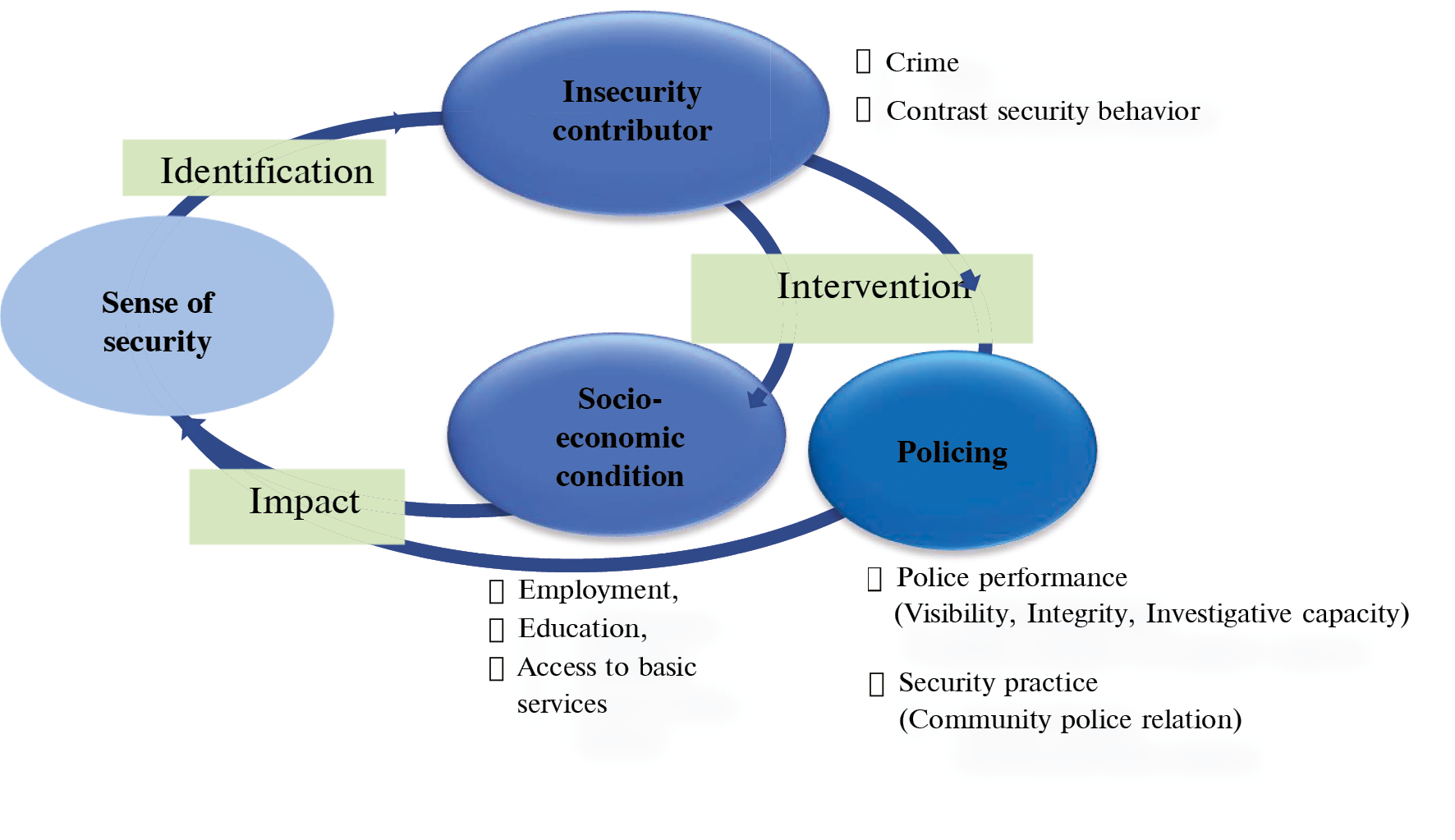
FIGURE 1 Human security-informed policing.
| Journal of Community Safety and Well-Being (2025) 10(4), 190–196. | https://doi.org/10.35502/jcswb.505 |
K. C. Manoj Kumar∗
This article is related directly to the Seventh International Conference on Law Enforcement & Public Health (LEPH) held in Ottawa, Canada in July 2025.
ABSTRACT
This paper examines the effectiveness of community policing in addressing comprehensive security needs through a human security-oriented lens. While traditional policing emphasizes law enforcement and crime prevention, increasing societal complexity and recurring civil unrest expose significant gaps in how broader security concerns are managed. The study investigates whether community policing genuinely enhances overall security and explores how policing strategies can better promote safety and trust within communities.
Using empirical data from a recent study in Nepal and a comparative analysis of community policing models in the United States, the United Kingdom, Canada, and Denmark, the research identifies key factors shaping insecurity beyond crime—such as intimidation, lack of justice access, poor income conditions, and inadequate health services. Although community policing has improved police–community relationships and public trust, it often fails to respond effectively to localized, context-specific security challenges. Perceptions of security differ widely depending on environment, gender, age, and ethnicity, underscoring the need for a more inclusive approach.
The findings argue for a human security-informed model of policing that integrates socioeconomic measures—like employment, education, and access to basic services—with enhanced police practices emphasizing integrity, visibility, investigative capacity, and community partnership. This holistic framework bridges the existing gap between conventional policing and broader human security concerns. By addressing the social and economic dimensions of insecurity, such an approach strengthens both trust and safety. The paper highlights its particular relevance for post-conflict societies like Nepal and other nations prioritizing the security development nexus.
Key Words Policing; sense of security; human security; community policing; crime; security behaviour; public order.
Police is essential to modern society. Historically, they have been viewed as entities that enforce laws within established frameworks. The term “policing” describes how law enforcement operates to prevent crime, address violence, and maintain public order.
A core principle of policing theory is that its function extends beyond formal legal enforcement or state jurisdiction. Policing also involves informal, on-the-spot decision-making that can either affirm or undermine police legitimacy. Such interactions often lead police to act beyond their conventional bureaucratic role as enforcers of written law (McGoldrik & Mcardle, 2006). Given the inherent difficulties of their mandate and the complexity of real-world implementation, policing should be understood as a multifaceted activity, and a comprehensive understanding of it, both theoretically and practically, remains challenging.
Significantly, police strategies and plans often overlook what constitutes essential security elements and how policing should adapt to different situations. Prioritizing safety and security is vital for any society aiming to build lasting peace. While policing historically focused on maintaining law and order and preventing crime as its primary functions, this focus now faces numerous obstacles due to evolving societal needs. The fundamental questions of “what security is” and “what it does” have not been adequately explored in a way that truly enhances policing practices.
Therefore, this paper seeks to address the following objectives:
This study aims to deepen understanding of community policing’s contemporary impact and its implications for improving policing strategies.
Community policing has emerged as the most influential approach in law enforcement. Its adoption by police organizations began after Sir Robert Peel established the London Metropolitan Police Force. This marked the advent of community-based policing, setting forth principles that remain as critical today as they were two centuries ago (Fisher-Stewart, 2007). Understanding community policing reveals the core essence of this approach.
The Organization for Security and Co-operation in Europe (OSCE, 2008b) defines community policing as “a philosophy and organizational strategy that promotes a partnership-based, collaborative effort between the police and the community to more effectively and efficiently identify, prevent, and solve problems of crime, the fear of crime, physical and social disorder, and neighborhood decay in order to improve the quality of life for everyone.”
This approach broadens the police mission from a narrow focus on crime and law enforcement to a mandate that encourages exploring creative solutions for a wide range of community concerns, including crime, fear of crime, perceptions of disorder, quality of life, and neighbourhood conditions. As Kappeler and Gaines (Kappeler & Gaines, 2009) state, “Community policing is a philosophy of policing based on the concept that police officers and people working together in creative ways can help solve contemporary community problems related to crime, fear of crime, quality of life, and neighborhood conditions.” Ideally, community policing not only addresses community concerns but also empowers the community rather than dictating to it, effectively reversing traditional policing dynamics. In this sense, policing derives its role and agenda from the community itself.
The concept of community policing emerged following the shortcomings of the professional policing model in the United States and Europe. Its development began in the late 1980s and early 1990s. Over the past three decades, as community policing gained momentum, Western societies experienced significant transformations.
The terms “community policing” or “community-oriented policing” (COP) became prevalent during this period of 1980s to 1990s, serving as buzzwords for initiatives aimed for decentralized units with specific territorial mandates and a problem-solving focus that incorporated local citizens’ priorities. During the 1960s and 1970s, increasing civil unrest, particularly in urban Black and Brown neighbourhoods, was attributed to limitations of the existing policing model. The 1967 Kerner Commission Report directly highlighted the disconnect between police and marginalized communities, advocating for greater investment in community relations (Kerner Commission, 1968). By the 1980s, “community policing” had formalized as a concept. Scholars like Herman Goldstein emphasized the necessity of shifting from reactive models to problem-solving approaches (Goldstein, 1979). He also introduced the SARA model (scanning, analysis, response, assessment), which is now fundamental to community and neighbourhood policing practices.
During this time, neighbourhood-oriented policing (NOP) emerged as a more localized form of COP. While COP aimed for city-wide reform, NOP emphasized assigning officers to small, specific geographical areas for extended periods to build trust through consistent, personal interaction (Skogan & Hartnett, 1997).
Various policing models are currently implemented in the United States. One successful example, the “New York model,” provided a distinct ideology and paradigm that integrated crime attack and problem-solving into a single strategy. Consequently, community policing, whether as COP or NOP, originated in the United States. Its successful implementation, including the embedded SARA component, led to its adoption in other regions.
As previously noted, community policing in the UK traces its origins to Sir Robert Peel and the establishment of police in 1829. Peel introduced the philosophy of “policing by consent,” where officers act as the metropolitan “citizens in uniform,” focusing on crime prevention and public cooperation for police actions. Throughout the Victorian era, the force expanded and professionalized but faced significant challenges, particularly in managing protests (Cain, 1973).
In the 1980s, amid widespread urban unrest and street protests, police tactics for managing citizens drew considerable criticism. The Scarman Report (Scarman, 1981), following the Brixton riots, highlighted underlying issues such as racism, distrust, and a lack of dialogue between the police and marginalized communities. As part of community policing, neighbourhood policing and police community support officers (PCSOs) were introduced under the 1998 Crime and Disorder Act. PCSOs were intended to address street-level crime and rebuild relationships, shifting from a reactive to a more preventive model.
However, due to austerity measures and their consequences, the deployment of the neighbourhood policing model affected prevention efforts and community engagement (Greig-Midlane, 2019). Thus, the model has evolved over time: from reactive policing in the 1980s to the more proactive, engagement-focused Safer Neighbourhood Teams of the 2000s, and then shrinking under austerity pressures in the 2010s. Nevertheless, organizational reform in UK policing has largely centred on prevention-based neighbourhood policing. At the same time, the implementation of neighbourhood policing varies widely across different regions.
A discussion paper titled “Police Challenge 2000: A Vision of the Future of Policing in Canada” significantly influenced the development of the Royal Canadian Mounted Police (RCMP). The paper stated that police organizations would undergo transformation. They would become more open and accountable, less hierarchical, grant greater responsibility and autonomy to front-line officers, and increasingly base their mission on solving local problems in partnership with the community (Normandreau & Leighton, 1990).
This paper clearly envisioned community policing solely as a future strategy for the RCMP. It further argued for structuring police culture and strategy based on a private sector enterprise model. This reform was framed by rhetoric emphasizing enhanced governance through decentralization, ownership, and empowerment (Clairke, 2002). The community was also expected to assume responsibility for policing, particularly in crime control. The rise of private policing, increased competition for resources, and growing community demands for involvement in policing were key drivers for this new direction. Consequently, the strategies implemented included providing quality service at an affordable price, responding to community needs, prioritizing clients, and negotiating service priorities (RCMP, 1998).
However, an audit highlighted some missing components of this organizational reform. Community policing necessitates a fundamental shift in the RCMP’s management paradigm. Attention needed to move from complaint control systems designed to minimize mistakes to a business plan that maximized success opportunities through innovative and creative community interaction (RCMP, 1995). When launched, there was limited internal understanding or support for the core philosophical principles of community policing. The RCMP struggled in the initial stages of implementing community policing reforms and developing policing as a public service. Therefore, within the RCMP context, community policing was approached and implemented as an organizational change agenda.
During the period when community policing was trending, Denmark experimented with “proximity policing,” an approach nearly identical to community policing. From the early 1990s, local policing gradually transitioned to this new concept of proximity policing, involving small units stationed in local police stations. Unlike other community policing models, these officers were somewhat distinct from the rest of the police, with their work often defined as social work rather than traditional police duties (Reiner, 1985). The Danish police are characterized by both uniformity and diversity. Uniformity is reinforced as all officers begin their careers at the national police academy.
In Denmark, the idea of community policing did not gain significant traction until the early 1990s. From approximately 1990, local policing was progressively replaced by the new concepts of proximity policing, small units frequently located in local police stations. A key feature of proximity policing is that it is carried out by officers assigned to specific geographical areas. Their responsibilities include patrolling their assigned areas and handling everyday crimes within those areas. They are also expected to engage in problem-oriented policing (Holmberg, 2002).
The most distinctive characteristic of the Danish version of proximity policing is its “personalization.” This empowers officers to act based on their personal drive and new ideas. Such personalization of police officers could potentially improve cooperation with citizens and enhance the informed exercise of police discretion. Therefore, the context and development of community-based policing appear distinct in Denmark.
Community policing can be viewed as a localized, creative, and cooperative approach to problem-solving. It is a proactive method for combating crime and involves the decentralization of police work. It should be understood as a reform designed to address the multitude of challenges policing has faced since its modern inception.
Examining the global models reveals that countries adopt models fitting their unique contexts, which also leads to significant confusion on both theory and practice. Some police departments use community policing as a pretext to aggressive law enforcement tactics, leading to public doubt their true commitment. Others adopt the terminology without altering their organizational structures and value systems to align with its philosophy. It is also argued that most police agencies have adopted the terminology of community policing but have yet to alter their organizational structures and value systems to align with its philosophy (Kappeler & Kraska, 1998). It is widely believed that community policing often challenges the status quo, invariably generating resistance and controversy within police organizations (Gaines & Worrall, 2003).
These tools primarily focus on crime reduction, similar to many used in community policing (Borrion et al., 2020). Community policing often challenges the status quo, generating resistance and controversy within police organizations.
The movement is frequently conflated with problem-oriented policing (POP) and other community-centred models. The four-stage SARA model is the most popular POP tool. Other tools include PROCTOR (problem, cause, tactic/treatment, output, result), CAPRA (clients, acquire information, partners, response, assessment), 5Is (intelligence, interpretation, implementation, involvement, and impacts), and SPACIAL (scan, prioritize, analysis, task, intervene, assess, and learn) which primarily focus on crime reduction. It is also argued that most police agencies have adopted the terminology of community policing but have yet to alter their organizational structures and value systems to align with its philosophy (Kappeler & Kraska, 1998). Due to these issues, community policing has not fully succeeded in building security-enhancing policing within the communities as intended.
The formal history of the Nepal Police began with the Police Act 1955 (Nepal Government, 1955). The preamble of this act explicitly states that the Nepal Police is an effective instrument for preventing and investigating crime and maintaining law and order. Thus, crime prevention and investigation remain the primary focus of the Nepal Police.
Since its inception, the Nepal Police has considered community relations as the foundation of policing. Its broad mandate includes maintaining public order, crime prevention, protecting life and property, criminal investigation, traffic control, community mediation, and even emergency relief. A formal and new initiative called “Police in Community Service” was launched as a pilot project in Kathmandu on 30 November 1982, and in Lalitpur and Bhaktapur on 29 December 1982. This “Police in Community Service” concept is a community policing initiative, known locally as Chhimeki Prahari (neighbourhood police), introduced by then Inspector General of Police, Dil Bahadur Lama (Lama, 1983). These early initiatives focused on core concerns: bringing the police and public closer and fostering partnerships in crime prevention and investigation.
The first “Police in Community Service” initiative was the “Door to Door” program. Under this program’s mandate and directives, police officers were to patrol their areas, respond to public grievances, and address various demands. Officers would visit houses in their assigned areas, asking questions and recording problems, complaints, and needs of local residents (Shingh, 1983).
Since then, Nepal Police has engaged in various slogan-based community programs, including “Police Public Hand to Hand (P2H2)” (2008), “Service Center Concept” (2010), “Service with Smile” (2012), “Police my Friend” (2013), “Police in Neighborhood” (2016), and most recently, “Community Police Partnership” (2018). Nevertheless, most of these programs do not effectively address the underlying problems faced daily by Nepal Police officers, many of whom are dedicated professionals. These problems include public distrust, inadequate training and resources, politicization, and a lack of overall vision for organizational development. These community policing programs primarily aimed at fostering closer ties between the community and the police, which, however, does not encompass the overall context of security. Consequently, these programs soon lost their focus and failed to deliver the expected outcomes.
Human security has been the core of security discussions since the advent of the concept in a 1994 United Nations Development Programme report. This concept has brought the security-development intersectionality as a key policy area in peacebuilding.
The human security approach argues that the threats and challenges to security transcend national defence and law and order to encompass all political, economic, and social issues that guarantee a life free from risk and fear (Alkire, 2003). The human security perspective would argue that, for many people in the world – perhaps even most – the greatest threats to “security” itself come from internal conflicts, disease, hunger, environmental contamination, or criminal violence (Newman, 2010). This clearly hints the broader perspective of human security.
Like many security experts argue, the very concept of human security is broader in their own terms. It is academically confusing because it seems to support all hypotheses and their opposites at the same time (Paris, 2001). In the case of post-conflict situations, this concept has more resemblance due to the need of holistic security.
People want and need jobs and deserve empowerment, but they also need protection against normal crimes and organized violence. The issue of what to address first in post-conflict reconstruction has no obvious answer, except to say that local civic society needs to have a strong voice in determining priorities and the sequencing of reconstruction projects and that civic society and the state have both soft and hard security needs (Marenin, 2005).
Therefore, it is quite clear to see the concept of human security denotes a large range of issues related to what security is and whom it is for. Threats to citizen security do not appear in a vacuum but in environments of social, economic, and institutional vulnerability, which constitute risk factors. So, efforts to implement for the purpose of enhancing security and ways to explore the clear understanding in policing must be considered.
A recent study by the author, “Enhancing Policing in Nepal: A Human Security-Informed Approach, Concepts and Implications” (Manoj Kumar, 2023), clearly demonstrates the importance of considering specific issues when forming partnerships with communities. For the research, surveys, focused group discussions, and in-depth interviews were conducted. Target participants were selected from different geographical territories across Nepal. Three criteria were utilized to select target respondents for the research. The participants were selected based on economic status, gender, and whether dwelling in urban or remote areas of different geographical regions of three districts. Metropolitan, municipality, and rural municipality were taken into consideration to cover one whole district, identified on the basis of the latest Human Development Index of the district concerned. A total of 2,637 respondents from six different communities completed the questionnaire, of which 2,622 indicated the gender. Of the 2,622 respondents, 1,956 (74.59%) were male and 666 (25.41%) females.
The study identified three fundamental areas: the causes of insecurity, the development of insecurity, and the stakeholders responsible for building security. The research outlined that multiple factors contribute to insecurity within communities, including crime and violence, intimidation and threats, as well as other human security-related factors such as income conditions, access to justice, and levels of understanding, all identified as major contributors to insecurity. Interestingly, basic health services were also identified as a factor contributing to insecurity. The study observed considerable variations in people’s perception of security depending on their dwelling environment – urban, semi-urban, or rural. Another significant finding was that the police and the community itself were almost universally perceived as responsible for building security. There were also significant differences of opinions about insecurity based on gender, age, and ethnicity. The research further highlighted that community trust and confidence in the police, crucial for building a sense of security, depend on police effectiveness in controlling crime and the implementation of community-focused programs.
Therefore, the study not only emphasized community-focused programs as key to building security but also identified critical issues for partnering with communities, ranging from traditional security elements to human security-related topics. The condition of access to basic services connects to one’s perception of security, which in turn links to human security. The study outlined that implementing a combination of socioeconomic interventions (income, education, and access to basic services) and enhancing policing through improved investigative capacity and security practice partnerships is crucial. At the community level, people do not consider development activities as security concerns, but, based on their opinions, they directly or indirectly link the results of these activities to the feeling of being secure.
As clearly depicted in the study, the community and the police are the main security providers, and partnership programs should be contextualized to the specific community to build security. The ultimate goal is to enhance the level and direction of security within the community. This indicates that community policing partnerships focused on employment could improve public order, while efforts directed toward enriching understanding levels could foster positive security behaviour. Targeting access to basic services could build public trust and confidence, and partnering with the community clearly implies the necessity of an accommodating community policing approach.
For a long time, human security has been viewed through two major dilemmas: a lack of precision and conceptual vagueness, making it difficult to define, and its broad scope, which includes everything from traditional security elements to contemporary development agendas. As a result, human security as a concept aspires to explain almost everything and consequently explains nothing in reality (Buzan, 2001).
Therefore, community policing approaches, despite their diverse models and structures, often primarily address conventional security issues. It can be argued that what matters most is not the model or structure but the specific issues the community faces. In this context, the Nepal situation strongly suggests that a human security-informed approach, implemented through community partnerships, is a viable path forward in building a sense of security.
Thus, it is evident that community policing, through various engagement programs, has attempted to bridge the gap between police and the public. Some policing partnership programs have been relatively successful in building trust toward the police. However, when it comes to fostering a sense of security, the specific issues people face and their unique context are often overlooked. The research findings indicate that a sense of security and insecurity is a dynamic phenomenon that incorporates daily life disturbances into crime, shapes security behaviour into security-building practices, and influences police performance. The combined intervention of socioeconomic factors and policing impacts the sense of security (Figure 1).
|
|
||
FIGURE 1 Human security-informed policing. | ||
Table I depicts how the security areas are linked to security-related consequences based on the research.
TABLE I I Security issues and effects
| Security Areas | Effects and Consequences |
|---|---|
| Level of employment | Public disorder and crime |
| Level of understanding | Sense of discrimination and crime |
| Condition of access to basic services | Crime, and trust and confidence |
| Police performance | Threats, intimidation, and resistance |
| Partnership in security practice | Sense of recognition/justice and active resistance |
Given Nepal’s post-conflict context, security has persisted as a central and pressing issue during this transitional period. The country has passed through several phases of political turmoil and instability, putting different demands on the police organization. People live integrated lives in which security concerns such as crime, violence, and intimidation are often intimately linked to broader “human security” issues related to people’s health, education, and livelihoods (Saferworld, 2013).
Police officers have always realized their popular image as crime-fighters and law-enforcers, and they employ conventional tactics without considering the various issues which help build security in society. One of the police’s tasks is to assess the security situations of the society they are serving, recognizing the problems impacting the overall security and then implementing the appropriate intervening policing strategies. Different contexts of society demand different intervention strategies to build security. Some of the reports show that the perception of security varies with the geographical regions in which they are dwelling. In the context of a post-conflict and developing country like Nepal, the need is more diverse. The lack of clear concepts on security and the inability to identify the security determinants make policing ineffective and ultimately result in community feelings of insecurity. The police themselves have not realized that the perception of insecurity incorporates many other dimensions rather just than the conventional crime-fighting strategies. Although the domain identified in this research is traditionally regarded as non-policing, the appropriate intervention to foster a sense of security is inherently related to policing. Greater emphasis should be placed on improving employment opportunities, education, and access to basic services. Achieving these objectives requires the establishment of effective partnerships between the police and relevant agencies, without necessitating additional allocation of resources.
This paper has highlighted that community policing is not merely an idea of partnership but encompasses the fundamental issue upon which such partnerships are built. Consideration of various community-based policing approaches and models implemented across different geographical locations reveals the missing links in building community security. The research conducted in Nepal identified several key factors and conditions linked to various phenomena in establishing a sense of security for the community.
Therefore, human security-informed policing as a community policing partnership program should be the implementing strategy of the national plan in order to implement the combinations of socioeconomic intervention and enhancing policing through the allocation of appropriate budget for strengthening the investigation capacity and partnership programs of police. This would help to build a better sense of security in a country like Nepal and others coming from a post-conflict setting like Nepal.
I would like to express my sincere gratitude to the Nepal Police for their valuable support, cooperation, and assistance in providing the necessary information for this study.
None.
The authors have no conflicts of interest to declare.
None.
Not applicable (no provision of ethics committee), informed consent taken.
∗Nepal Police Headquarters, Kathmandu, Nepal.
Alkire, S. (2003). A conceptual framework for human security. University of Oxford.
Borrion, H., Ekblom, P., Alrajeh, D., Borrion, A., Keane, A., Koch, D., Mitchener-Nissen, T., & Toubaline, S. (2020). The problem with crime problem-solving: Towards a second generation POP? The British Journal of Criminology, 60(1), 219–240. https://doi.org/10.1093/bjc/azz029
Buzan, B. (2001). Human security in international perspective. In B. Buzan, O. Waever, & J. de Wilde (Eds.), Security: A new framework for analysis. Lynne Rienner.
Cain, M. (1973). Society and the Policeman’s role. Routledge.
Chandler, D. (2007). The security–development nexus and the rise of ‘anti-foreign policy’. Journal of International Relations and Development, 10, 362–386. https://doi.org/10.1057/palgrave.jird.1800135
Clairke, C. A. (2002). Policing: RCMP. Policing: An international Journal of Police Strategies & Management.
Fisher-Stewart, G. (2007). Community policing explained: A guide for local governments. U.S. Department of Justice.
Gaines, L. K., & Worrall, J. L. (2003). Police administration. Clifton Park.
Goldstein, H. (1979). Improving policing: A problem-oriented approach. Crime & Delinquency, 25(2), 236–258. https://doi.org/10.1177/001112877902500207
Greig-Midlane, J. (2019). An institutional perspective of neighbourhood policing reform in austerity era England and Wales. International Journal of Police Science & Management, 21(4), 230–243. https://doi.org/10.1177/1461355719889464
Holmberg, L. (2002). Personalized policing: Results from a series of experiments with proximity policing in Denmark. Policing: An International Journal of Police Strategies & Management, 25(1): 32–47. https://doi.org/10.1108/13639510210417881
Kappeler, V., & Kraska, P. (1998). Policing modernity: Scientific and community-based violence on symbolic playing fields. Sunny Press.
Kappeler, V. E., & Gaines, L. K. (2009). Community policing: A contemporary perspective (5th ed.). Anderson Publishing.
Kerner Commission. (1968). Report of the national advisory commission on civil disorders. https://belonging.berkeley.edu/sites/default/files/kerner_commission_full_report.pdf
Lama, P. B. (1983). Police in community service.
Manoj Kumar, K. C. (2023). Enhancing policing in Nepal: A human security-informed approach, concepts, and implications. Center for Peace and Conflict Studies, Cambodia.
Marenin, O. (2005, June). Restoring Policing Systems in Conflict Torn Nations: Process, problems, prospects. Occasional Paper No. 7.
MgGoldrick, S. K., & Mcardle, A. (Eds.). (2006). Uniform behavior: Police localism and national politics. Palgrave Macmillan.
Nepal Government. (1955). Police Act. Law Commission.
Newman, E. (2010). Critical human security studies. Review of International Studies, 36(1), 76–94. https://doi.org/10.1017/S0260210509990519
Normandreau, A., & Leighton, B. (1990). A vision of the future of policing in Canada: Police-challenge 2000. Solicitor General of Canada.
OSCE. (2008a). Implementation of police-related programmes. Lessons learned in South-Eastern Europe, SPMU Publication Series Vol. 7. OSCE.
OSCE. (2008b). Good practices in building: Police-public partnerships. OSCE.
Punch, M., van der Vijver, K., & Zoomer, O. (2002). Dutch “COP”: Developing community policing in the Netherlands. Policing: An International Journal of Police Strategies & Management, 25(1), 66–79. https://doi.org/10.1108/13639510210417908
RCMP. (1995). Commissioner’s Directional Statement. RCMP.
RCMP. (1998). Commissioner’s Directional Statement. RCMP.
Reiner, R. (1985). The politics of the police. Harvester Wheatsheaf.
Saferworld. (2013). Community-based approaches to safety and security: Lessons from Kosovo, Nepal and Bangladesh. Saferworld.
Scarman, L. G. (1981). Scarman report: The Brixton disorders. HMSO.
Shingh, R. K. (1983). Police in creative service: A creative program. Police In Community Service.
Skogan, W. G., & Hartnett, S. M. (1997). Community policing, Chicago style. Oxford University Press.
Correspondence to: Manoj Kumar K. C., Province Coordination Department, Nepal Police Headquarters, P.O. Box 407, Naxal, Kathmandu, Nepal. Fax: +01-4415593. E-mail: kkc.manoj@gmail.com
This work is licensed under the Creative Commons Attribution-NonCommercial-NoDerivatives 4.0 International License. To view a copy of this license, visit http://creativecommons.org/licenses/by-nc-nd/4.0/. For commercial re-use, please contact sales@sgpublishing.ca.
Journal of CSWB, VOLUME 10, NUMBER 4, December 2025