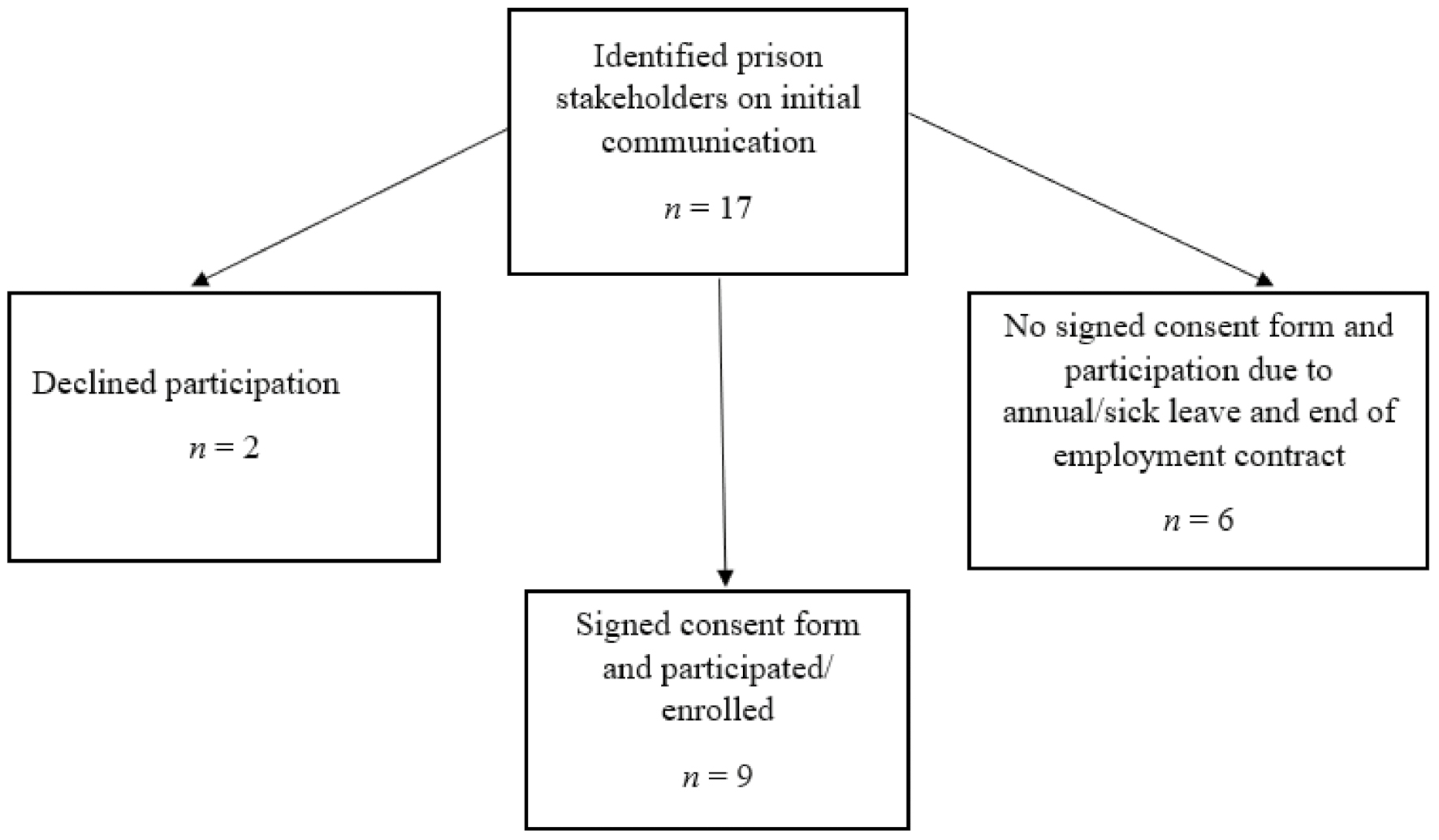
FIGURE 1 A flow chart showing how we arrived at the final sample of participants (N = 9)
| Journal of Community Safety and Well-Being (2025) 10(4), 211–219. | https://doi.org/10.35502/jcswb.455 |
Winnie Nkoana∗,†, Leigh Schrieff-Brown†, Nawal Mohamad‡, Nina Steenkamp†, Huw Williams¶
This article is directly related to the First African Regional Conference on Law Enforcement and Public Health, held in Pretoria, South Africa, December 2024.
ABSTRACT
Youth and young adults in conflict with the law (YCWL) in custody have needs across different areas, such as education, health, social, and emotional domains. Amongst other efforts, rehabilitation approaches in prisons often include vocational training and education. The latter is especially important for those in prison, who are still minors. Research that focuses on education for young people in custody is therefore emerging. The study aimed to explore access to education in custody, educational needs, and awareness of neurodisabilities using semi-structured interviews with relevant stakeholders (N = 9) at a correctional centre. Thematic analysis, using an inductive approach, was used to analyze the data. In keeping with previous studies, prison stakeholders reported that they are not qualified nor trained to deal with YCWL with neurodisabilities and that they are not “experts”. Although there is a provision of education in custody for YCWL, several factors impact their access to education in custody, including koffender factors (high-risk offenders, disruptive offenders displaying problematic behaviours, and the presence of neurodisabilities) and systemic factors (prison overpopulation and a lack of educators). The results of this study may be used to inform policy implementation in terms of rehabilitation and the use of proper screening and assessment tools to screen for various neurodisabilities in South African YCWL population, as well as providing training and support for prison stakeholders, to work effectively with YCWL who may present with neurodisabilities. Additionally, the schooling structures in youth correctional centres may be reformed, to better accommodate for educational needs of YCWL, including those with neurodisabilities.
Key Words YCWL; crime; prison; prison stakeholders; qualitative; semi-structured; thematic analysis; educators.
Globally, South Africa (SA) has one of the highest levels of crime, which includes assaults, murders, and other violent crimes (Souverein et al., 2016). Youth and young adults in conflict with the law (YCWL; age range 15–34) form almost 99% of the South African prison population (Department of Correctional Services, 2024). Despite experiencing high rates of victimization and abuse, YCWL tend to be the main perpetrators of violent crimes (e.g., assault and sexual offences; Meinck et al., 2016; Pillay et al., 2024). Much of the violence and crime arises from contextual risk factors such as dysfunctional families and communities, where young people are frequently exposed to violence, hence contributing to anti-social behaviour (Hoosen et al., 2022).
Once in custody, YCWL require several resources relating to the education, health, social, and emotional domains (Chitsabesan & Hughes 2016). Rehabilitation approaches in prisons often include vocational training and education, which is especially important for the social reintegration of YCWL. What is clear is that the needs of YCWL are multisectoral, requiring trauma-informed and -sensitive input from stakeholders not only from the criminal justice system (CJS) but also health, education, government, and other industries. A collaborative and socially responsive interventions that draws on the power of a holistic, multisectoral approach has been described under a community safety and well-being (CSWB) framework. Such a framework seems fitting for the work needed to embrace and uplift those in conflict with the law, moving away from a traditionally punitive and disjointed approach to one of care, reintegration, and prevention of recidivism (Nilson, 2018).
Emerging research explores factors, such as neurodisabilities, that may influence access to education in custody (Chitsabesan et al., 2015; Hughes et al., 2012; Moyo et al., 2022; Shafi, 2019). For example, Hughes et al. (2012) previously found that about 65–76% of YCWL had mild to severe TBIs, and about 23–32% presented with LDs, compared to the general population, in the UK. Similarly, in an SA–based study comparing the prevalence of neurodisabilities in the young offender group versus the non-offender group (groups referenced in that study), 68% of young offenders self-reported struggles that could suggest an LD, and 72% self-reported having sustained a TBI (Nkoana et al., 2020). YCWL with neurodisabilities may present with additional challenges when navigating the youth justice system upon admission and while in custody, due to factors such as low reading and comprehension age, limited literacy skills, and impaired or slow cognitive processing speed (Chitsabesan & Hughes 2016). There is little research in SA that addresses neurodisabilities and YCWL and specifically on how such factors might impact access to education in custody.
In 2014, the Department of Justice and Correctional Services (DJCS) was formed by consolidating the Department of Correctional Services (DCS) and the Department of Justice and Constitutional Development (DoJ&CD). The goal was to shift from a historically punitive prison framework to one of reform, rehabilitation, and reintegration (Justice and Correctional Services, 2018; Singh, 2005), which aligns more with a CSWB framework. At present, there are 243 correctional facilities in SA, comprising detention centres—for those awaiting trial—and medium- and maximum-security prisons (Department of Correctional Services, 2024). An additional 219 community correctional facilities provide rehabilitative services for those outside prisons (i.e., on parole or probation).
During the rehabilitative process, the DJCS aims to treat prisoners with dignity and to provide secure and humane conditions while targeting areas such as (1) social consciousness; (2) vocational, technical, and computer training; and (3) education opportunities (including basic and secondary education; Department of Correctional Services, 2000, 2005; Republic of South Africa, 2024). These goals further align with the 2030 National Development Plan for a just and equitable society, where people from vulnerable groups can rely on the CJS for effective rehabilitation, especially when community safety is compromised (National Planning Commission, 2011). Again, with a trauma-informed and ethos-of-care approach, these align with a CSWB framework (Nilson, 2018).
However, despite these positive goals, the DJCS faces numerous challenges, such as (1) prison overcrowding, (2) increased risk of infectious diseases (e.g., tuberculosis (TB), human immunodeficiency virus (HIV)), (3) corruption, (4) gang dominance and exposure to violence, and (5) limited human resources (Department of Correctional Services, 2014).
Prison overcrowding varies according to regional facilities. On average, the national overcrowding rate is rapidly rising and reported to be over 140%, with metropolitan areas being most affected (Mabuza, 2024; Mlamla, 2021; Prison Insider, 2024). Reasons for overcrowding include long waiting periods for trials, power outages that impede court proceedings, reluctance to release pre-trial prisoners, and financial constraints that prevent courts from operating for more than 6 hours a day (Mabuza, 2024, Mlamla, 2021). Hence, the prison population is on a continuous rise, and the capacity to accommodate prisoners remains low.
South African prisons also face increased risks of infectious diseases such as HIV and TB. This is partly attributed to prison overcrowding (e.g., limiting ventilation increases airborne TB infections) and the HIV epidemic in sub-Saharan Africa (Keehn & Nevin, 2018; Telisinghe et al., 2016). The DCS (2005) has previously highlighted its goals to provide adequate inmate health targeting HIV, TB, and sexually transmitted infections. Estimates of HIV in South African prisons were described in a cross-sectional survey; at least 17% (n = 3,184) of respondents were HIV positive (Stevenson et al., 2020).
The extent of corruption in prisons is difficult to estimate as most prison statistics are reported by local authorities (see, e.g., White Paper on Corrections in South Africa, 2005). In those reports, corruption is targeted to minimize perceptions of mismanagement in the DCS. An instance of corruption among staff (e.g., allegations of bribery) is discussed in a previous situational analysis on youth in prisons (Sloth-Nielsen & De Villiers, 1998).
Prison gangs threaten the safety of prisoners by increasing exposure to violence (e.g., rapes, murder, assault, and intimidation; Department of Correctional Services, 2005; Ngqakamba, 2020). Given the overcrowding of prisons, the guard-to-prisoner ratio ranges from 1:6 to 1:64 (Prison Insider, 2024). Hence, prison gang power extends beyond prisoners and threatens the management of correctional services. Human resources that provide rehabilitative programs (i.e., social workers, educators, psychologists) in prisons are severely limited. As such, participation in those programs is declining as prison populations increase (Department of Correctional Services, 2024).
Section 29 of the SA constitution stipulates that everyone has the right to education (Republic of South Africa, 1996). Of equal importance is section 18, which stipulates that “every inmate must be allowed access to available reading material of his or her choice, unless such material constitutes a security risk or is not conducive to his or her rehabilitation. Such reading material may be drawn from a library in the correctional centre or may be sent to the inmate from outside the correctional centre in a manner prescribed by regulation.” The SA White Paper on Corrections (2005) also states that those who are incarcerated should have access to education. Education in the CJS in SA is considered both the cornerstone of rehabilitation and a means of reducing recidivism (Ramakulukusha, 2022). The DCS places a strong emphasis on providing basic schooling and literacy classes, particularly for YCWL in custody, to improve illiteracy levels (White Paper on Corrections, 2005). Although such provision of education for YCWL in custody and for those on parole should be made, being part of education and attending school or classes in the CJS is not yet compulsory in SA correctional services (Quan-Baffour & Zawada, 2012). Hence, although the approach and intention may align with a CSWB framework, in practice, more work needs to be done for it to be realized.
According to the latest DCS report (2022/23), the department was offering vocational and occupational skills programs to YCWL in custody, as well as formal education curricula. The assumption is that these skills will enable self-sufficiency among YCWL so that they can contribute to the economy and sustain themselves once they are released from the CJS.
In terms of formal education, the DCS works with other departments, such as the Department of Higher Education and Training to offer programs such as Adult Education and Training, with curricula in this program aligning with that of the Department of Basic Education. However, some argue that these programs and curricula are designed for mainstream schools and are not suitable for YCWL, given that many of them enter the CJS with almost no experience of formal education (Stamp, 2020) and/or with (often undiagnosed) neurodisabilities. Besides the White Paper on Corrections in SA (2005) detailing that rehabilitation should be tailored to the individual needs of YCWL, it does not indicate how education is provided for those with neurodisabilities under corrections in SA.
In many countries, YCWL in custody are most disadvantaged in terms of constrained education. They are often very low-skilled, with most YCWL having no formal schooling qualification, relative to their peers (Rogers et al., 2014). Poor literacy, language, and arithmetic skills have been reported in YCWL in custody. This is often the case because many YCWL have faced eventual exclusion from school due to their anti-social behaviour (Machin et al., 2011; Rogers et al., 2014). YCWL with (often undiagnosed) neurodisabilities may present with various developmental, intellectual, social functioning, language, and communication deficits that may impact on the teacher–learner relationships and learning acquisition, which can also contribute to disengagement from school and eventual dropout (Sentenac et al., 2019). As a result, YCWL may present with significant educational needs that are often not addressed during their time in custody (Geib et al., 2011).
Provision of special educational needs is important, given high rates of neurodisabilities among YCWL (Cruise et al., 2011), the need for access to education in custody, alongside appropriate educational resources and trained educational and mental health staff, to work with the offenders. Research shows that providing and improving education in custody can help reduce the possibility of recidivism (Machin et al., 2011). Further, unaddressed special educational needs of YCWL in custody places them at a risk of not acquiring the necessary skills that are important in aiding their successful reintegration into their communities and often makes it onerous for them to get employment upon re-entry into the community (Cruise et al., 2011).
In SA, there are at least 42,000 youth in prisons (aged 15–34; Step Up SA, 2023). To date, studies on neurodisabilities among YCWL in custody have mainly been conducted in Western countries like the United Kingdom (e.g., Baidawi & Piquero, 2021; Williams et al., 2018) with limited similar studies in SA (Nkoana et al., 2020).
The study aimed to explore access to education in custody, educational needs, and awareness of neurodisabilities, using semi-structured interviews with relevant stakeholders at a youth correctional centre (YCC) in Cape Town, SA.
How do prison stakeholders identify, screen, and provide education for YCWL with neurodisabilities in custody in SA?
This study’s design was exploratory and qualitative. The YCC where participants were recruited was situated in Western Cape, SA, with medium- and maximum-security sections and holds over 500 inmates.
We emailed the head of the YCC, who assisted in mobilizing all the stakeholders working with YCWL at the centre. Prison stakeholders are staff who are responsible for the prison’s management and rehabilitation programs. On initial communication, there were 17 prison stakeholders, and only 9 participants formed part of the final sample by consenting to participate in the study. Reasons for the final sample are as follows: (1) six prison stakeholders were not able to consent and take part in the study, as they were on sick or annual leave at the time of the study and data collection, (2) three declined participation via telephonic communication to author WN, (3) one committed to another study running at the same time, and (4) one of them was external service provider who was at the end of their contract at the YCC, and could not consent and take part in the study (Figure 1).
|
|
||
FIGURE 1 A flow chart showing how we arrived at the final sample of participants (N = 9) | ||
Purposive sampling was employed in this study. The stakeholders (N = 9) in this study held the following roles: head of the youth centre (n = 1), social worker (n = 1), psychologist (n = 1), educator (n = 3), unit managers (n = 2), and correctional intervention officer (n = 1).
The semi-structured interviews were conducted telephonically due to COVID-19 restrictions on face-to-face contact at the time of data collection. These were conducted in English for approximately 45–60 minutes each.
At the start of the interview, author WWN explained the purpose of the study to the participants. At that point, the researchers also explained to the participants what neurodisabilities are, including common neurodisabilities that YCWL may present with in the CJS.
Thematic analysis, using the inductive approach, was the method of data analysis in this study, following six steps of thematic analysis outlined by Braun & Clarke (2012).
Ethical clearance for this study was granted by University of Cape Town Research Ethics Committees (FHS HREC: 220/2021, HUM 06/2020, and PSY2020-042). Permission for the study was obtained from the DCS in the Western Cape, SA. Prison stakeholders were sent the participant consent form via e-mail to consider, and to sign and return to the researchers, if they agreed to participate. Participation was voluntary, and participants could withdraw from the study at any point. To ensure confidentiality and anonymity in the study, all participants presented below are deidentified, and the YCC in which the prison stakeholders work is not named.
When asked about their understanding and knowledge of neurodisabilities, prison stakeholders expressed some of the following responses:
Participant 1: We are not trained to identify the neurodisabilities. We try to utilize Social Workers (…) (Educator)
Participant 2: We are not specialists, so there should be a specialist to ensure that they are being met. Or give us training on how to work with learners who have neurodisabilities and how to identify and assess them (…) (Unit manager)
Although participants referenced the word “neurodisabilities” in their responses throughout the interview, it was clear that they did not have a comprehensive understanding of the topic. The use of the word was likely a function of the interviewer introducing it when they explained the aims and purpose of the study.
The participants further responded with hesitation and caution; consistently, they explained that they were “not experts” and were not trained to identify and work with YCWL with neurodisabilities and largely depended on other professionals, such as social workers, to assist them, as stated by participants 1 and 2 above.
The participants above speak about the challenges they experienced in being at the forefront of services provided to YCWL, despite having little knowledge and training on neurodisabilities. Participant 2, who had 25 years of experience working within correctional facilities, expressed that they (and their colleagues) require further training and support with identifying potential offenders with neurodisabilities in class settings.
These findings are consistent with others in similar settings. In McCarthy et al.’s (2015) mixed-methods study conducted in London male prison, on neurodevelopmental disorders in male YCWL, most CJS staff felt that they could not conduct appropriate assessments of neurodisabilities or perform specialized services themselves. In addition, CJS staff required specialized input in terms of screening and identifying neurodisabilities in YCWL (McCarthy et al., 2015). The effect of this lack of training may be that young people’s education may be directly or indirectly undermined, where education is not prioritized as part of rehabilitation, leading to further disengagement and dropouts.
These findings are echoed in this study, indicating a need to offer training and support to the CJS stakeholders in the SA context to be able to respond effectively to the needs of YCWL with neurodisabilities.
Participants described how educational provisions for YCWL, including those with identified neurodisabilities, are made. When YCWL enter custody, they are asked about their educational history (e.g., the highest level of schooling) to provide educators in the CJS with a clear educational background of the YCWL whom they oversee. This is crucial in ensuring that the YCWL are offered and provided with an education tailored to their individual needs.
Participant 1: There is access, every year we go into the prison each section, if there are new inmates to recruit (…) We ask them if they want to come to school, what grade they left school in. But most of the learners do not stay long with us because of their difficulties, and that access ends up being impacted because they drop out. So as much as there is access, their learning difficulties make it difficult for them to learn to full potential… (Educator).
Additionally, participants describe that even though YCWL have access to education, they are not compelled to come to school, and prison stakeholders do not ensure that they do. When asked why that is the case, participants mentioned that there are no policies in place and especially for those YCWL who may present with neurodisabilities. As stated before, it was not clear from the DCS report (2022/23) what access to education looks like in the SA correctional facilities for YCWL with neurodisabilities.
Participant 3: YCWL with neurodisabilities have access to education, however, in practice, nothing compels them to attend school. If they do not want to come to school, no one really ensures that they are coming (….). Those with neurodisabilities do not see a need to attend school, then they will not be enrolled in school, and those who come, they will have access… (Senior educator, divisional centre manager and principal).
Certain characteristics of YCWL impact their ability to access education while in custody. The main characteristics include (1) “Disruptors” and (2) “High-Risk” offenders.
Regarding “disruptors,” problematic and disruptive behaviours in YCWL, the extracts below show how the CJS stakeholders co-construct the narrative of deviant behaviour, which is linked to YCWL being denied access to education while in custody.
Participant 9: Other factors can impact access to education in custody for offenders with neurodisabilities, especially their problematic behaviour (…). They will not identify him, and they will charge him because of problematic behaviour and they will deny him to attend school (Unit manager).
Participant 2: With these offenders with neurodisabilities we will keep them inside the cell under strict supervision, because they will disrupt teachers in class with problematic behaviour and not be able to access education (Unit manager).
Previous studies from Euro-American contexts have shown that young people are already excluded and disengaged with education even before they are incarcerated, often due to their anti-social behaviour (Collin-Smyth, 2018; Molinedo-Quilez, 2020; Rogers et al., 2014; Samper et al., 2021; Shafi, 2019). We can see from the data above how these problems are also evident in the CJS. These kinds of issues are also evident in the SA context, where young males are expelled from school due to anti-social behaviour and, as such, their access to education is disrupted (Ally et al., 2021; Buys, 2018). Participant 2 further explains how the issue of problematic behaviour in young people links to no access to education in custody. For example, those who display deviant behaviour will remain in their cell, under strict supervision, as it is believed that they may disrupt classes should they be allowed access to educational activities. It is important to note that the problematic behaviour reported by the prison stakeholders, amongst young people, may be explained, at least in part, by underlying neurodisabilities (e.g., TBI) that the prison stakeholders are unable to identify, recognize, and respond to due to the lack of expertise or training and lack of screening tools.
Regarding “high-risk” offenders, participants described that some YCWL might be denied access to education in custody because they are considered a high-security risk. For example, participant 8 expresses how issues of security concerns play a role in the provision of and access to education in custody because these YCWL are monitored, and their movement inside the centre is limited.
Participant 8: If you want to kill everybody around you, obviously there will be limitations, you will be monitored and not be allowed to go out or have access to education. You will be dangerous and also security risk, that’s where you cannot go out. (Social worker)
The above excerpt shows the impact that security concerns may have on the provision of education for YCWL in custody, which may generalize to others’ access to education, due to threat of security risks.
Findings from this study echo those from a study conducted by Little (2015), where youth offenders who took part in that study described that one of the barriers in accessing education and training in the institution in which they were housed was being considered high risk in terms of their offender risk profiling. Furthermore, these study findings are consistent with previous literature where issues of security concerns have often resulted in the restriction of individuals who may otherwise be offered or have access to education (Rogers et al., 2014). In addition, a London-based study by Rogers et al. (2014) highlight that in one of the youth centres in their study, around 50% of the YCWL were not allowed to receive or take part in vocational training, on security grounds, especially where sharp objects like scissors were involved in activities.
There are also systematic factors characteristic of the CJS and the centre that create barriers to, or impact on, access to education in custody and the provision of adequate information for YCWL.
Many participants in this study reported that due to overpopulation, the YCC cannot accommodate all the YCWL in terms of providing access to education and learning opportunities.
Participant 7: The first one is overpopulation, we have too many offenders. We have not enough space to assist all inmates, so you see no access for many of them (…) (Head of centre).
SA correctional facilities face challenging conditions in terms of health care and sanitation, access to education and materials to read, provision of food, and, in particular, overcrowding (Agboola, 2016; DCS (2022/23); Jordaan & Hesselink 2022). Prison overpopulation results in rehabilitation programs offered to detained YCWL being undermined (Cilliers & Smit, 2007), including providing them with education and conducive learning spaces (DCS, 2022/23).
Participants reported that the YCC is faced with a shortage of educators including those with special skills to adequately meet and address educational needs of YCWL. Participant 3 speaks about how the ratio of educators to YCWL is hugely discrepant, with the centre housing a caseload of 507 YCWL with only 5 appointed teachers (at the time of the study). As such, this poor ratio, which is 1 educator per 101 YCWL (507:5), impacts the access to education for YCWL, as they cannot all be accommodated due to a lack of educators.
Participant 3: The amount of educators employed in correctional services are not sufficient to address the educational needs of offenders. For example, the ratio of offenders to educators is not realistic; how then it is expected that 5 educators can sufficiently and effectively address educational needs of 507 offenders in the YCC? Some will not have access (…) (Senior educator, divisional centre manager and principal).
In an SA-based study exploring the experiences of educators in managing schools in the CJS, participants reported that they had to work on contracts that needed to be renewed monthly, thereby resulting in shortage of educators (Mafilika & Marongwe, 2024). In the same study, the findings showed that even the appointments of the educators were not in line with the specific curriculum needs of the correctional centre. Despite the budget and financial constraints in SA, which further exacerbate this issue, one may conjecture that because correctional centres in SA were initially considered as places of punishment rather than rehabilitation, education and those who offer education might not yet be sufficiently prioritized in the correctional system, even if there are efforts in this regard. These findings are similar to those found in an Australian study where the ratio of students to teachers was a concern, as the limited human resources carried negative implications for how teachers could manage the classroom environment, with participants suggesting that it would be helpful to employ other specialists (Hamilton et al., 2019).
In SA, some legislative changes in correctional services suggest a move toward rehabilitation, reintegration, and care, rather than punishment, and a focus on prevention and risk intervention over a solely reactive approach. For those individuals in the CJS, understanding neurodisabilities and how they impact their ability to engage in and benefit from education forms part of a social justice and trauma-informed ethos. We encourage such change, as social justice and societal transformation that enhances well-being of citizens may serve to address the roots of and consequently prevent crime, rather than continuing to react to it (Nilson, 2018). Finally, approaching crime prevention and safety through environmental design, as suggested by the South African Local Government Association (2023), involving all relevant stakeholders (such as those represented in this study and others from various sectors) and needs across all relevant settings, using a CSWB trauma-informed framework (Nilson), is needed. This study, although a modest contribution, is a step in that direction.
Some limitations need to be noted when interpreting these findings. First, our sample was small and was recruited from one YCC. Obtaining ethics approval in SA to do research within correctional settings has been proven difficult and a long process. We have approached several offender institutions, and only one of them was a YCC, with both young adults and youth inmates. The team is currently working on means to involve multiple correctional centres/prisons in this and some of the important research they do, including working with multiple non-governmental organizations or halfway houses that work with previously incarcerated individuals to mitigate this limitation.
Second, this study did not interview YCWL about provision and access to education while in custody. This was because in-person access to the YCC was restricted due to the COVID-19 pandemic at the time of the study. Future research could recruit stakeholders from other correctional institutions across the country and review the assessment tools they use upon admission of YCWL at YCC to screen for and identify those with neurodisabilities.
Third, the absence of quantitative data on YCWL with neurodisabilities limits prison stakeholders from identifying vulnerable inmates. Future research could explore how neurodisabilities, education, and community reintegration intersect—perhaps by tracking long-term outcomes like recidivism or employment. In addition, studying specific interventions, such as training programs for stakeholders or customized educational tools, to offer practical solutions for policymakers and practitioners.
In conclusion, this study explored access to education in a YCC, special educational needs, and whether prison stakeholders understood neurodisabilities. Overall, challenges such as overcrowding, lack of human resources, and insufficient knowledge of neurodisabilities hinder the ability to provide adequate education to YCWL who may need additional assistance. The complexity of accessing education in custody is further compounded by offender characteristics, where those perceived as dangerous or high risk in terms of security, may not have their educational needs met. However, the narratives from the stakeholders in this study provide hope for potential change, given their receptivity not only to the significance of neurodisabilities among YCWL but also to the urgent need to intervene in terms of rehabilitation and successful reintegration of YCWL into society.
This research would not be possible without participants and co-authors, as such they are acknowledged for their contributions.
This study was funded by the National Research Foundation (NRF, Thuthuka Post-PhD Grant no. 113953).
The authors have no conflicts of interest to declare.
University of Cape Town Research Ethics Committees (FHS HREC: 220/2021, HUM 06/2020, and PSY2020-042). Permission for the study was obtained from the DCS in the Western Cape, SA. Participants gave written and verbal consent.
∗Department of Psychology, University of the Witwatersrand, Johannesburg, South Africa;
†Department of Psychology, University of Cape Town, Cape Town, South Africa;
‡The Graduate Center and Department of Clinical Psychology at Queens College, CUNY, New York, USA;
¶Centre for Clinical Neuropsychology, University of Exeter, Exeter, UK.
Agboola, C. (2016). Memories of the ‘inside’: Conditions in South African women’s prisons. South African Crime Quarterly, 56, 19–26. https://doi.org/10.17159/2413-3108/2016/i56a43
Ally, N., Beere, R., & Moult, K. (2021). Red flags: Disciplinary practices and ‘school-to-prison’ pathways in South Africa. South African Crime Quarterly, 70(1), 2–23. https://doi.org/10.17159/2413-3108/2021/vn70a11092
American Psychiatric Association. (2013). Diagnostic and statistical manual of mental disorders (5th ed.). American Psychiatric Association Publishing, Inc. https://doi.org/10.1176/appi.books.9780890425596
Baidawi, S., & Piquero, A. R. (2021). Neurodisability among children at the nexus of the child welfare and youth justice system. Journal of Youth and Adolescence, 50(4), 803–819. https://doi.org/10.1007/s10964-020-01234-w
Bouncken, R. B., Czakon, W., & Schmitt, F. (2025). Purposeful sampling and saturation in qualitative research methodologies: Recommendations and review. Review of Managerial Science, 1–37. https://doi.org/10.1007/s11846-025-00881-2
Braun, V., & Clarke, V. (2012). Thematic analysis. In H. Cooper, P. M. Camic, D. L. Long, A. T. Panter, D. Rindskopf, & K. J. Sher (Eds.), APA handbook of research methods in psychology, Vol. 2: Research designs: Quantitative, qualitative, neuropsychological, and biological (pp. 57–71). American Psychological Association.
Buys, I. (2018). A restorative approach towards school discipline and behavioural conduct in South African schools: A case study. [Doctoral dissertation, University of South Africa].
Chitsabesan, P., & Hughes, N. (2016). Mental health needs and neurodevelopmental disorders amongst young offenders: Implications for policy and practice. In Mental health, crime and criminal justice (pp. 109–130). Palgrave Macmillan. https://doi.org/10.1057/9781137453884_7
Chitsabesan, P., Lennox, C., Williams, H., Tariq, O., & Shaw, J. (2015). Traumatic brain injury in juvenile offenders: Findings from the Comprehensive Health Assessment Tool study and the development of a specialist linkworker service. Journal of Head Trauma Rehabilitation, 30(2), 106–115. https://doi.org/10.1097/HTR.0000000000000129
Cilliers, C., & Smit, J. (2007). Offender rehabilitation in the South African correctional system: Myth or realty. Acta Criminologica: African Journal of Criminology & Victimology, 20(2), 83–101.
Collin-Smyth, S. (2018). A framework for young people with neurodisability who engage in antisocial behaviour: Introducing the PAM-NEXT. [Masters Thesis, Victoria University of Wellington]. https://doi.org/10.26686/wgtn.17134490.v1
Cruise, K. R., Evans, L. J., & Pickens, I. B. (2011). Integrating mental health and special education needs into comprehensive service planning for juvenile offenders in long-term custody settings. Learning and Individual Differences, 21(1), 30–40. https://doi.org/10.1016/j.lindif.2010.11.004
Department of Correctional Services. Vote No. 22. Annual report: 2022/23 financial year. https://www.dcs.gov.za/wp-content/uploads/2016/08/DCS-Annual-Report-Ready-for-Tabling.pdf
Department of Correctional Services. (2000). Annual report (2000/2001). https://www.gov.za/sites/default/files/gcis_document/201409/dcsannualreport0102.pdf
Department of Correctional Services. (2005). White Paper on Corrections in South Africa. https://www.gov.za/sites/default/files/gcis_document/202001/whitepaperoncorrectionsinsouth-africa.pdf
Department of Correctional Services. (2014). White paper on remand detention management in South Africa. https://www.gov.za/sites/default/files/gcis_document/201607/white-paper-remand-detention-management-south-africaa.pdf
Department of Correctional Services. (2024). Vote No. 22. Annual Report: 2023/24 financial year. https://www.gov.za/sites/default/files/gcis_document/202411/dcs-annnual-report-2023-24.pdf
Geib, C. F., Chapman, J. F., D’Amaddio, A. H., & Grigorenko, E. L. (2011). The education of juveniles in detention: Policy considerations and infrastructure development. Learning and Individual Differences, 21(1), 3–11. https://doi.org/10.1016/j.lindif.2010.05.002
Hamilton, S. L., Reibel, T., Watkins, R., Mutch, R. C., Kippin, N. R., Freeman, J., Passmore, H. M., Safe, B., O’Donnell, M., & Bower, C. (2019). “He has problems; he is not the problem…”: A qualitative study of non-custodial staff providing services for young offenders assessed for foetal alcohol spectrum disorder in an Australian youth detention centre. Youth Justice, 19(2), 137–157. https://doi.org/10.1177/1473225419869839
Hoosen, P., Adams, S., Tiliouine, H., & Savahl, S. (2022). Youth and adolescents’ perceptions of violence in post-apartheid South Africa: A systematic review of the literature. Child Indicators Research, 15(3), 885–911. https://doi.org/10.1007/s12187-021-09890-5
Hughes, N., Williams, H., Chitsabesan, P., Davies, R., & Mounce, L. (2012). Nobody made the connection: The prevalence of neurodisability in young people who offend. London, UK: The Office of the Children’s Commissioner.
Jordaan, J., & Hesselink, A. (2022). Predictors of aggression among sample-specific young adult offenders: Continuation of violent behavior within South African correctional centers. International Criminal Justice Review, 32(1), 68–87. https://doi.org/10.1177/1057567721998431.
Justice and Correctional Services. (2018). South Africa yearbook 2017/18. https://www.justice.gov.za/about/sa-yearbook/2017-18Justice.pdf
Keehn, E. N., & Nevin, A. (2018). Health, human rights, and the transformation of punishment: South African litigation to address HIV and tuberculosis in prisons. Health and Human Rights, 20(1), 213–224.
Little, R. (2015). Putting education at the heart of custody? The views of children on education in a young offender institution. British Journal of Community Justice, 13(2), 27–46.
Mabuza, E. (2024, October 17). Overcrowding and poor conditions in Gauteng prisons: Portfolio committee. Times Live. https://www.timeslive.co.za/news/south-africa/2024-10-12-overcrowding-and-poor-conditions-in-gauteng-prisons-portfolio-committee/
Machin, S., Marie, O., & Vujić, S. (2011). The crime reducing effect of education. The Economic Journal, 121(552), 463–484. https://doi.org/10.1111/j.1468-0297.2011.02430.x
Mafilika, M., & Marongwe, N. (2024). Challenges hindering rendering of formal education programs at Correctional Centers in South Africa. In N. Stamatakis (Ed.), Correctional facilities – policies, practices, and challenges. IntechOpen. https://doi.org/10.5772/intechopen.1001740
McCarthy, J., Chaplin, E., Underwood, L., Forrester, A., Hayward, H., Sabet, J., Young, S., Asherson, P., Mills, R., & Murphy, D. (2015). Screening and diagnostic assessment of neurodevelopmental disorders in a male prison. Journal of Intellectual Disabilities and Offending Behaviour, 6(2), 102–111. https://doi.org/10.1108/JIDOB-08-2015-0018
Meinck, F., Cluver, L. D., Boyes, M. E., & Loening-Voysey, H. (2016). Physical, emotional and sexual adolescent abuse victimisation in South Africa: Prevalence, incidence, perpetrators and locations. Journal of Epidemiology and Community Health, 70(9), 910–916. https://doi.org/10.1136/jech-2015-205860
Mlamla, S. (2021, June 23). Large number of juveniles in SA prison system a cause for concern. IOL. https://iol.co.za/capeargus/news/2021-06-17-large-number-of-juveniles-in-sa-prison-system-a-cause-for-concern/
Molinedo-Quílez, M. P. (2020). Psychosocial risk factors in young offenders. Revista Española de Sanidad Penitenciaria, 22(3), 104–111. https://doi.org/10.18176/resp.00019
Moyo, H. B., De Jager, T., & Mamburu, K. C. (2022). Educator professional development towards management of curriculum implementation: A case study in Correctional Centres of Gauteng Region, South Africa. Journal for the Education of Gifted Young Scientists, 10(2), 239–249. https://doi.org/10.17478/jegys.1062480
National Planning Commission. (2011). National development plan 2030 executive summary. https://www.gov.za/sites/default/files/Executive%20Summary-NDP%202030%20-%20Our%20future%20-%20make%20it%20work.pdf
Ngqakamba, S. (2020, February 27). South Africa: SA prisons are the ‘Worst Places’, offer ‘No Rehab’, says fees must fall activist Kanya Cekeshe. News24Wire. https://allafrica.com/stories/202002180175.html
Nilson, C. (2018). Community safety and well-being: Concept, practice, and alignment (LEPH2018). Journal of Community Safety and Well-Being, 3(3), 96–104. https://doi.org/10.35502/jcswb.81
Nkoana, W., Williams, H., Steenkamp, N., Clasby, B., Knowler, H., & Schrieff, L. (2020). Understanding the educational needs of young offenders: A prevalence study of traumatic brain injury and learning disabilities. International Journal of Educational Development, 78, 102261. https://doi.org/10.1016/j.ijedudev.2020.102261
Pillay, L. G., Pillay, B. J., & Sibanda, W. (2024). Youth exposure to violence and victimization in a South African community sample. South African Journal of Psychiatry, 30(1), 2311. https://doi.org/10.4102/sajpsychiatry.v30i0.2311
Prison Insider. (2024). South Africa: Prisons in 2024. https://www.prison-insider.com/en/countryprofile/afrique-du-sud-2024?s=vue-d-ensemble#vue-d-ensemble
Quan-Baffour, K. P., & Zawada, B. E. (2012). Education programmes for prison inmates: reward for offences or hope for a better life?. Journal of Sociology and Social Anthropology, 3(2), 73-81.
Ramakulukusha, T. O. (2022). Development of strategies to improve rehabilitation programmes for violent behaviour youth in the Limpopo Province, South Africa. [Doctoral dissertation, University of Venda].
Republic of South Africa. (1996). The Constitution of the Republic of South Africa, Act No. 108 of 1996. Government Printers.
Republic of South Africa. (2005). The White Paper on Corrections. Department of Correctional Services.
Republic of South Africa. (2024). South Africa yearbook 2023/24. Government Communication Information System. https://www.gcis.gov.za/resources/south-africa-yearbook-202324
Rogers, L., Hurry, J., Simonot, M., & Wilson, A. (2014). The aspirations and realities of prison education for under-25s in the London area. London Review of Education, 12(2), 184–196. https://doi.org/10.18546/LRE.12.2.04
Samper, P., Llorca, A., Malonda, E., & Mestre, M. V. (2021). Examining the predictors of prosocial behavior in young offenders and nonoffenders. International Journal of Behavioral Development, 45(4), 299–309. https://doi.org/10.1177/0165025421995930
Sentenac, M., Lach, L., Gariepy, G., & Elgar, F. (2019). Education disparities in young people with and without neurodisabilities. Developmental Medicine and Child Neurology, 61(2), 226–231. https://doi.org/10.1111/dmcn.14014
Shafi, A. A. (2019). The complexity of disengagement with education and learning: A case study of young offenders in a secure custodial setting in England. Journal of Education for Students Placed at Risk (JESPAR), 24(4), 323–345. https://doi.org/10.1080/10824669.2019.1613897
Singh, S. (2005). The historical development of prisons in South Africa: A penological perspective. New Contree, 50, a438. https://doi.org/10.4102/nc.v50i0.438
Sloth-Nielsen, J., & De Villiers, S. (1998). Children in prison in South Africa: A situational analysis. University of Western Cape: Community Law Centre.
South African Local Government Association. (2023). Position paper: Enhancing the role of local government in building safer communities in South Africa. SALGA News.
Souverein, F. A., Ward, C. L., Visser, I., & Burton, P. (2016). Serious, violent young offenders in South Africa: Are they life-course persistent offenders? Journal of Interpersonal Violence, 31(10), 1859–1882. https://doi.org/10.1177/0886260515570748.
Stamp, N. M. (2020). Educators’ perceptions of barriers to learning in a Correctional Centre in the Western Cape region. [Master’s thesis, University of the Western Cape]. https://uwcscholar.uwc.ac.za/items/df97a899-e324-4e4c-9e9a-046cfd4cdc09/full
Step Up SA. (2023, June 15). 42 000 inmates in SA prisons are YOUTH. Step Up SA. https://stepupsanews.co.za/2023/06/15/42-000-inmates-in-sa-prisons-are-youth/
Stevenson, K. A., Podewils, L. J., Zishiri, V. K., Castro, K. G., & Charalambous, S. (2020). HIV prevalence and the cascade of care in five South African correctional facilities. PLoS One, 15(7), e0235178. https://doi.org/10.1371/journal.pone.0235178
Telisinghe, L., Charalambous, S., Topp, S. M., Herce, M. E., Hoffmann, C. J., Barron, P., Schouten, E. J., Jahn, A., Zachariah, R., Harries, A. D., Beyrer, C., & Amon, J. J. (2016). HIV and tuberculosis in prisons in sub-Saharan Africa. The Lancet, 388(10050), 1215–1227.
Williams, W. H., Chitsabesan, P., Fazel, S., McMillan, T., Hughes, N., Parsonage, M., & Tonks, J. (2018). Traumatic brain injury: A potential cause of violent crime? The Lancet Psychiatry, 5(10), 836–844. https://doi.org/10.1016/S2215-0366(18)30062-2
Correspondence to: Winnie Nkoana, U321, Umthombo Building, Department of Psychology, 3rd Floor, University of the Witwatersrand, East Campus, Johannesburg, South Africa. Telephone: +27-117171000. E-mail: nkoanasamantha@gmail.com, winnie.nkoana@wits.ac.za
This work is licensed under the Creative Commons Attribution-NonCommercial-NoDerivatives 4.0 International License. To view a copy of this license, visit http://creativecommons.org/licenses/by-nc-nd/4.0/. For commercial re-use, please contact sales@sgpublishing.ca.
Journal of CSWB, VOLUME 10, NUMBER 4, December 2025